

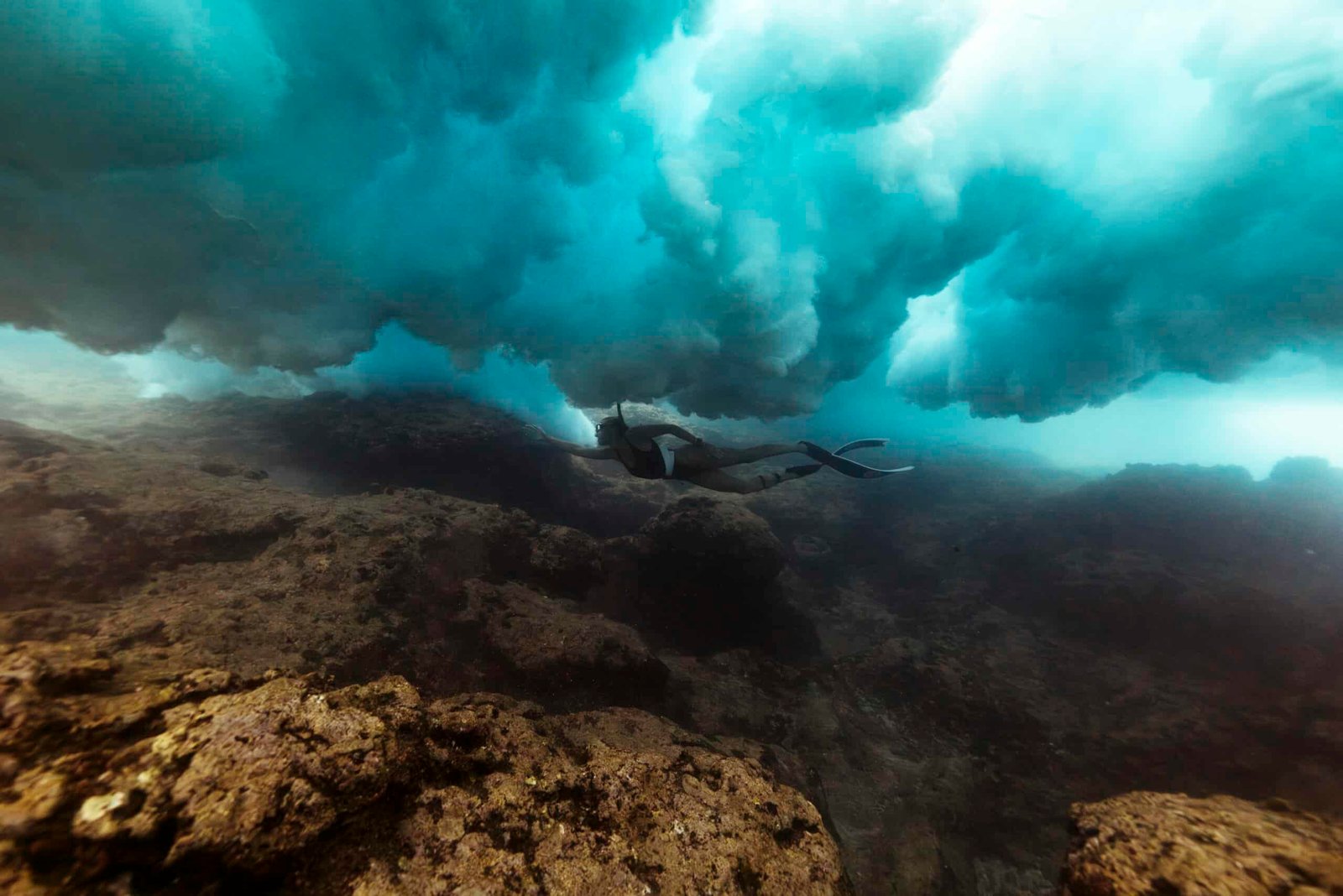
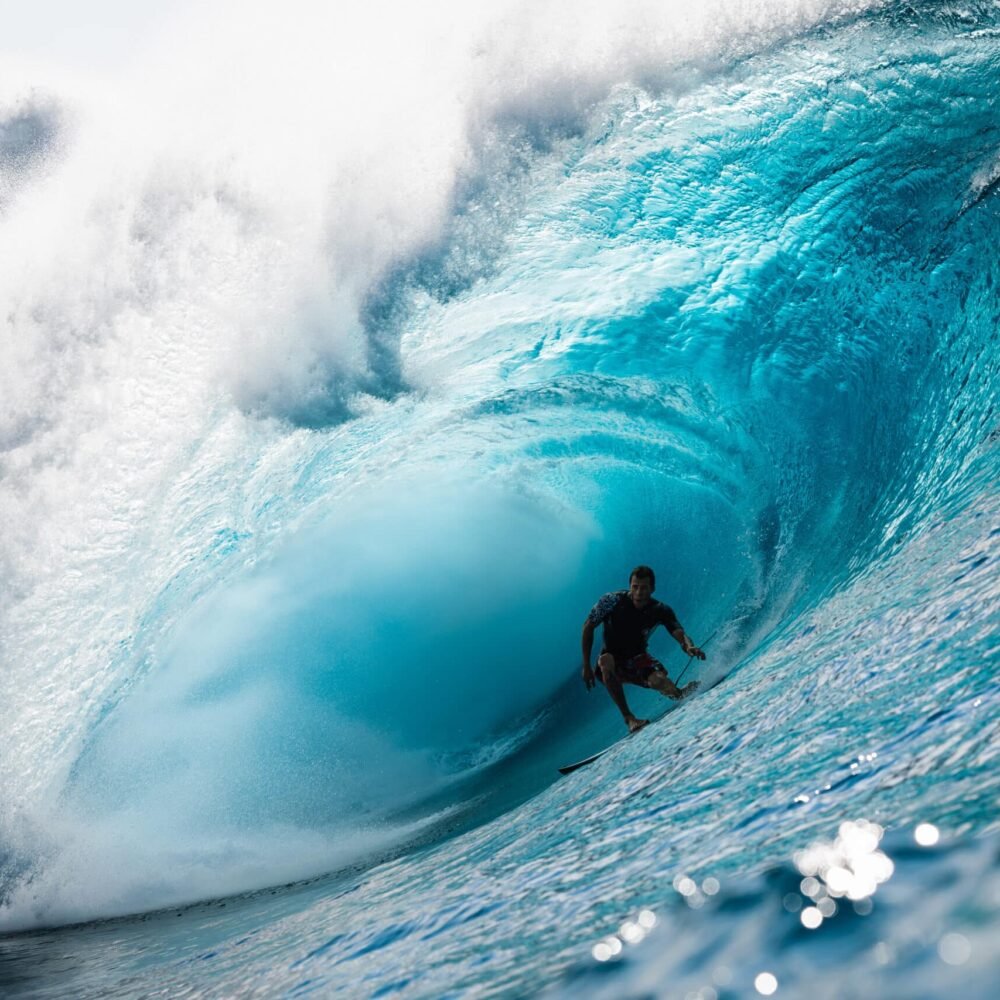
 Christa Funk: Photographing extreme surf waves
"Life can be so weird, it can be long and but it can also be short; that's why its important to pursue our passions and what makes us truly happy in life. Life gets to everybody in different ways. It’s getting knocked down and trying to figure out how to get up again, back into the light".
The new documentary First in, Last Out features Funk's unwavering determination to do everything necessary to get the ideal shot; to train, study, push through the pain, to put the time in, and to draw on the inspiration of her loved ones. It's a story about the raw human experience of triumph through grief and perseverance with grace in the eyes of chasing big dreams.
https://www.redbull.com/int-en/films/christa-funk-first-in-last-out
 Nina Jensen: CEO REV Ocean
 Samuel Massie: Explorer & TV host
 Li Karlsén: Word record holder freediving
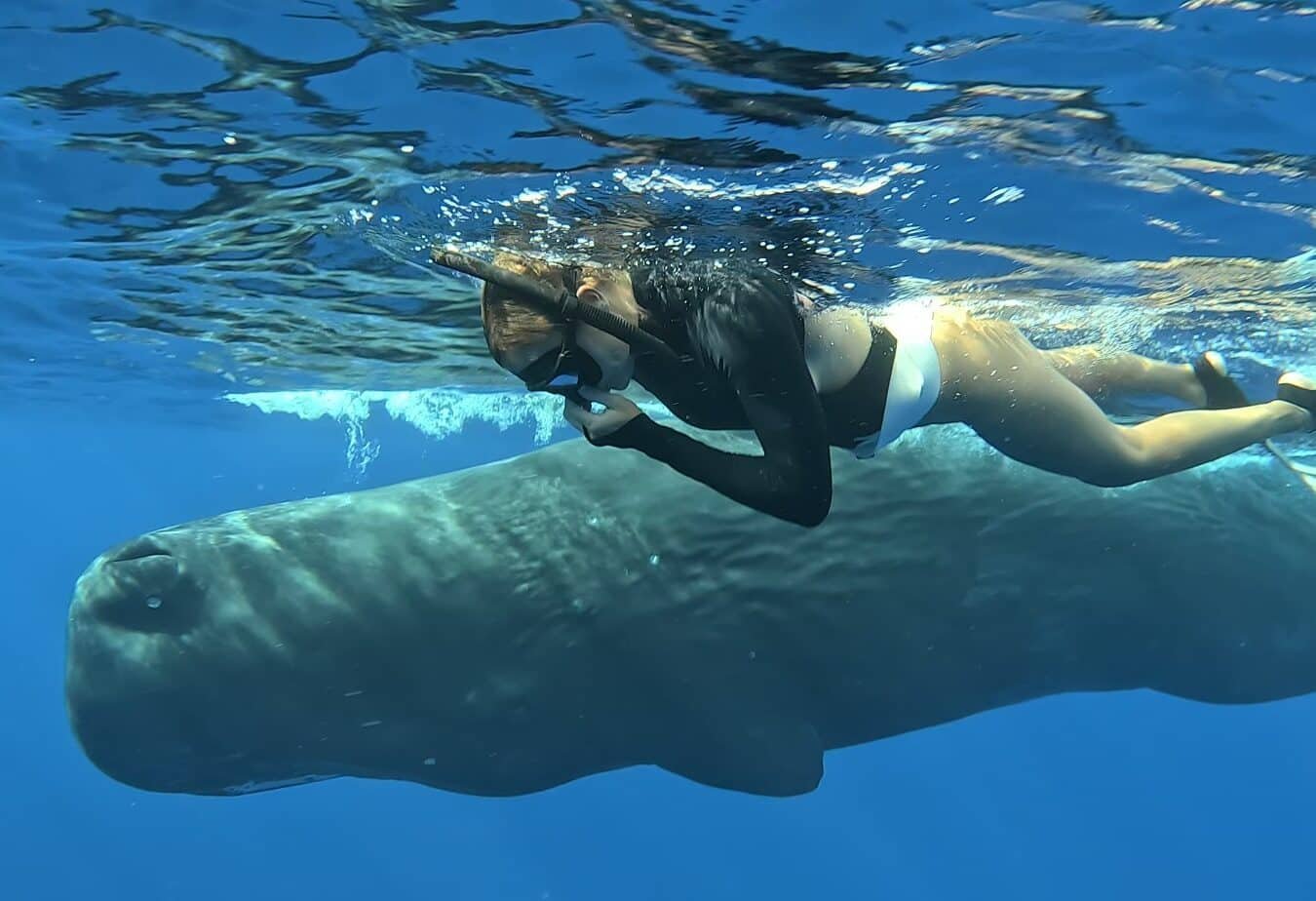
She is one of the world’s best freedivers and instructors, reaching depths below 70 meters, distances longer than 200 meters, and a breath hold of more than 6 minutes.
Recently, I completed the longest dive ever done under the icebergs and pack ice in Greenland. This was not only challenging but it also meant facing my deepest fear. It took me a year of focused training, adaptation, and dedication to become the person who could complete that physical, mental and emotional challenge to do the dive.
What we encountered in Greenland was beyond anything we could have imagined. Ice storms delayed our flight to Greenland, reducing 10 days of training and acclimatization to just 1 day. Dive and camera equipment froze at -25°C, and my only wetsuit tore on the sharp edges of the ice around the entry hole. Currents under the pack ice shifted, freezing over my exit hole and making it invisible before the dive.
Read the whole story in her interview.
Tutorial: Physiological Sigh
Physiological Sigh Reset
Neuroscientists found that a double inhale followed by a slow exhale (the physiological sigh) rapidly lowers stress and calms the nervous system.
→ Try it: Two sharp inhales through the nose, one long exhale through the mouth. Repeat 2–3 times when you feel tension spiking.
Tutorial: Box Breathing
Box Breathing for Stability
Inhale 4 sec → Hold 4 sec → Exhale 4 sec → Hold 4 sec.
→ Why it works: Balances oxygen and CO₂, improves heart-rate variability, and trains the brain to stay steady when stress rises.
Tutorial: Triangle Breathing
Triangle Breathing
Inhale 5 sec → Hold 5 sec → Exhale 8-10 sec.
→ Why it works: Longer exhale activates the parasympathetic nervous system, building resilience for prolonged effort and endurance challenges.
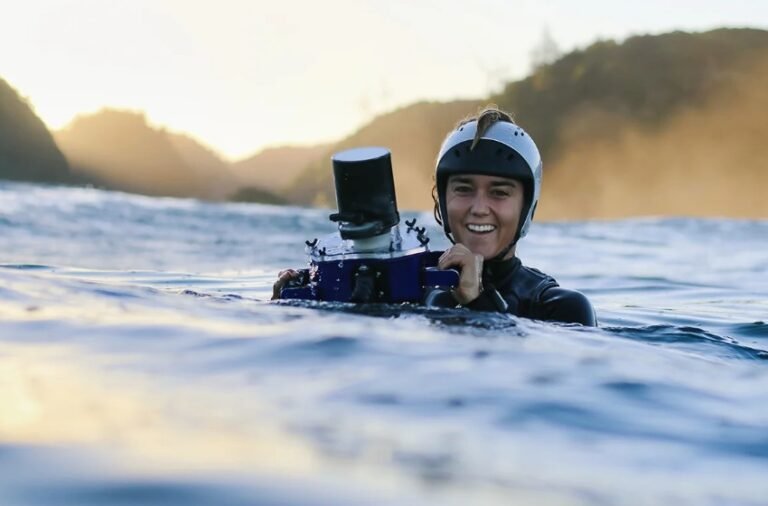
 Christa Funk: Extreme Wave Photographer
"Life can be so weird, it can be long and but it can also be short; that's why its important to pursue our passions and what makes us truly happy in life. Life gets to everybody in different ways. It’s getting knocked down and trying to figure out how to get up again, back into the light".
The new documentary "First in, Last Out features" Funk's unwavering determination to do everything necessary to get the ideal shot; to train, study, push through the pain, to put the time in, and to draw on the inspiration of her loved ones. It's a story about the raw human experience of triumph through grief and perseverance with grace in the eyes of chasing big dreams.
https://www.redbull.com/int-en/films/christa-funk-first-in-last-out
A moment w mindset
During the 2021 season, a massive swell hit - big enough to run the Eddie, but the event wasn’t allowed to happen because of Covid. That day, I was shooting stills for Red Bull Magnitude, a women’s big-wave digital surfing event that ran through the winter months. The women had chosen to surf Waimea, and I stood on the beach debating whether there was enough time between sets for me to make it out to the lineup.
I believed I could, but choosing the right window is always an educated guess. When I finally committed to the swim, I knew there was no room for hesitation. I locked my focus onto my landmarks and imagined them pulling me forward with every stroke. I didn’t allow myself even a moment to think about failing - because if I had, I was sure that doubt would have kept me from leaving the beach.
That determination, along with the lessons from my past experiences, carried me through to the lineup to shoot that day
Reset With Breathing
When stress spikes, Christa closes her eyes, takes a slow inhale, and visualizes a calm place. This combines controlled breathing with guided imagery - both shown in research to reduce cortisol and restore executive function in the brain. For freedivers, this is survival; for the rest of us, it’s a quick reset before a critical meeting, exam, or tough conversation. Try it: Three deep belly breaths, eyes closed, visualize the safest place you know. Open your eyes only when your heartbeat slows.
“Relax” Trigger
Underwater, fighting a wave burns oxygen and increases risk. Christa’s first response is a single word: relax. Repeating a verbal cue interrupts the panic loop and helps the body conserve energy. Studies in performance psychology confirm that simple self-talk boosts motor control under pressure. Try it: Choose one short word (“relax,” “steady,” “focus”) and practice saying it out loud when things go wrong — until it becomes automatic.
Staying Calm
When things don’t go as planned, I tell myself one simple thing: relax. Nine times out of ten, that’s exactly what I need to calm down.
Panic or resistance only burns through oxygen faster, making the situation far more dangerous. Staying calm and conserving energy is what keeps me safe.
Trust Your Preparation
In heavy surf, hesitation can be dangerous. When doubt surfaces, Christa reminds herself of every drill, swim, and safety course that got her there. This reframe is called “recalling mastery experiences” — a proven method to shift the brain from fear to competence. Try it: When doubt appears, say out loud one skill or drill you’ve mastered, and let that memory guide your next move.
Checklist for Focus
Christa found that lists are her strongest tool for cutting through chaos. Writing down three concrete tasks reduces mental noise and prevents scattered attention. Neuroscience shows that “externalizing” tasks lowers cognitive load, freeing the brain for higher-level decisions. Try it: Write three items you must finish, complete them in order, and don’t add new ones until they’re done.

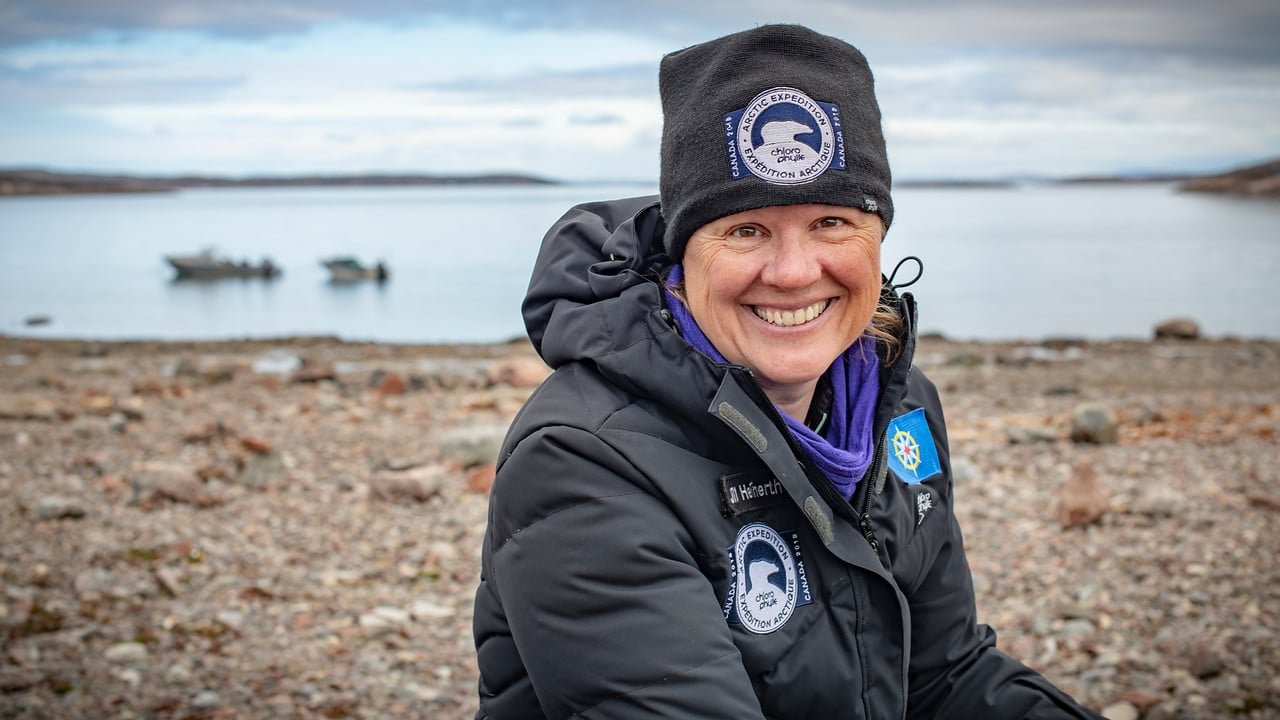
 Jill Heinerth: Mastering cave diving
Jill Heinerth is one of the world’s premier underwater explorers, and the first person to dive inside iceberg caves. According to filmmaker James Cameron:
“More people have walked on the moon than have been to some of the places Jill Heinerth has gone right here on earth.”
Dealing with Fear
"I want to go diving with people who are also afraid. Because it means we care about risk, and about coming home to our families at the end of the day".
Adopt Failing Forward
Adopt the Failing Forward Framework
Failing forward = Process failure as data, not identity.
NASA trains astronauts to reflect on errors without blame, because shame disrupts memory and slows learning.
Tool: After a failure, do a 3-step debrief:
What worked?
What didn’t?
What will I do differently?
Trust the Checklist
In high-risk dives, memory can fail under stress. That’s why explorers use simple checklists, because they know stress changes the brain. A checklist can mean the difference between panic and precision.

HFX TOOLS
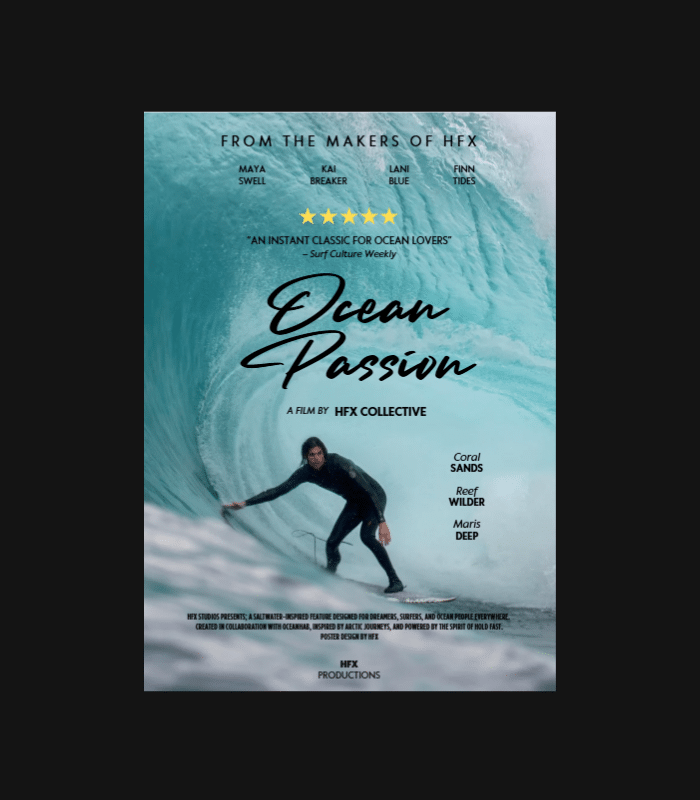
HFX Poster
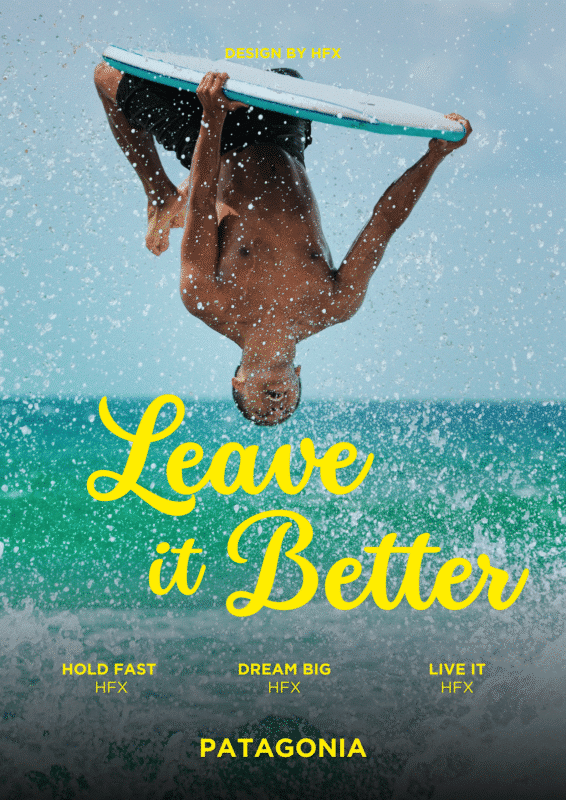
Ocean Passion is a free pop drop from HFX. Designed in full movie-poster style: Oversized title, glowing five-star reviews, and a lone surfer riding into legend.
It’s playful, cinematic, and made to bring the big-screen energy of surf culture into your space. Print it, pin it, or keep it digital. The vibe is pure entertainment.
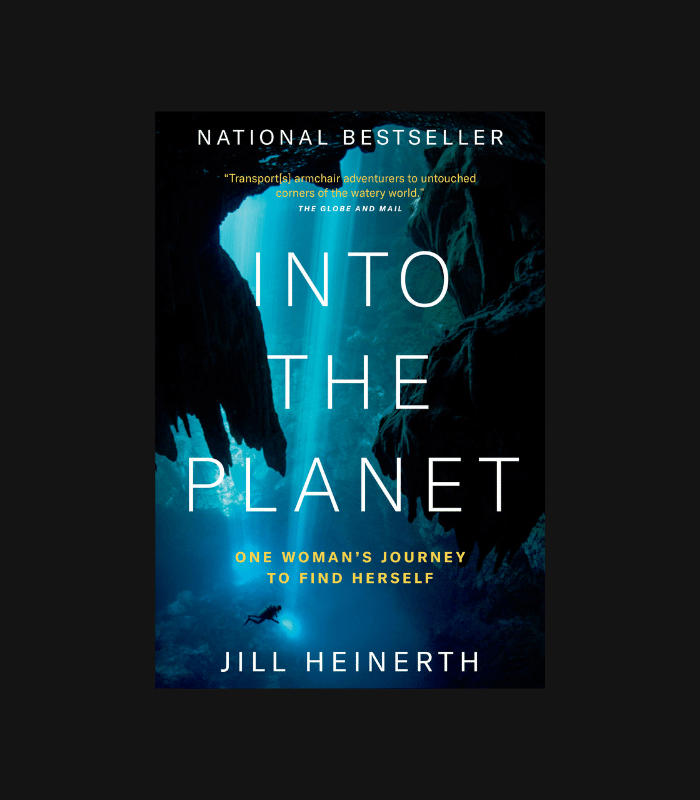
Into the Planet: My Life as a Cave Diver
From one of the world’s most renowned cave divers, a firsthand account of exploring the earth’s final frontier: the hidden depths of our oceans and the sunken caves inside our planet.
More people have died exploring underwater caves than climbing Mount Everest, and we know more about deep space than we do about the depths of our oceans. From one of the top cave divers working today - and one of the very few women in her field - Into the Planet blends science, adventure, and memoir to bring readers face-to-face with the terror and beauty of earth’s remaining unknowns and the extremes of human capability.
 "Seas the Day" Expedtion: Rowing across the Pacific
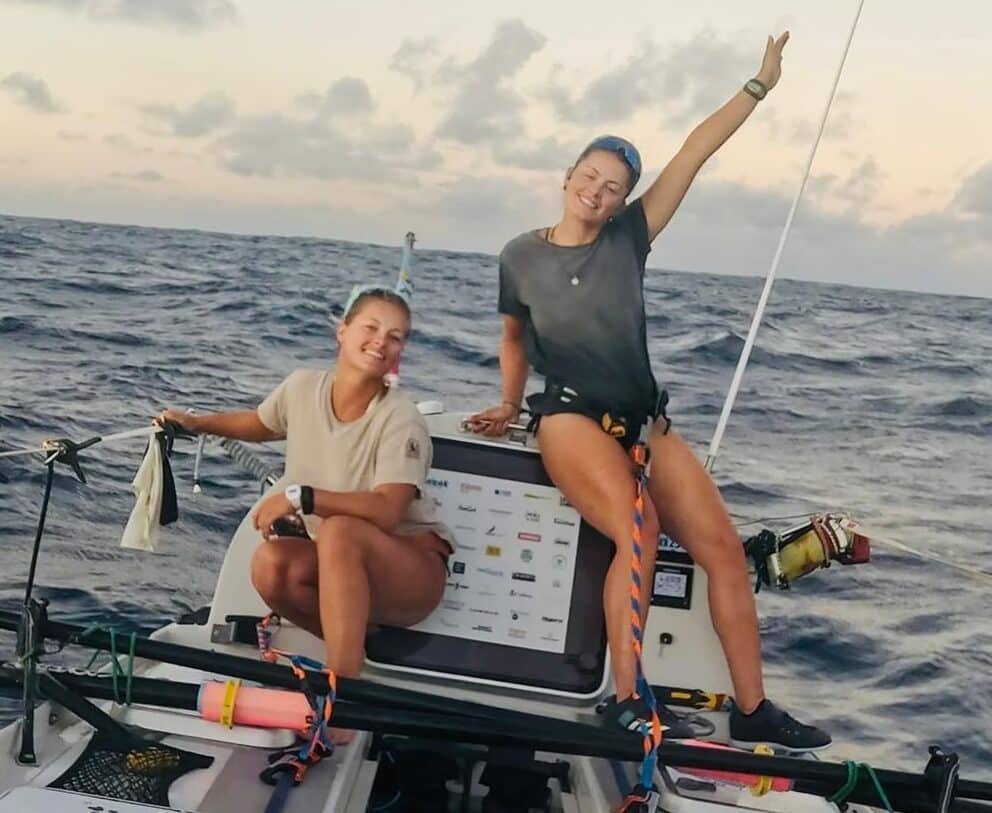
Saturday 18 October 2025: After 165 days at sea, British adventurers Jess Rowe (28) and Miriam Payne (26) arrived in Cairns, completing their extraordinary non-stop, unsupported 8,000+ mile (15,200 km) Pacific Ocean crossing from Lima, Peru to Cairns, Australia.
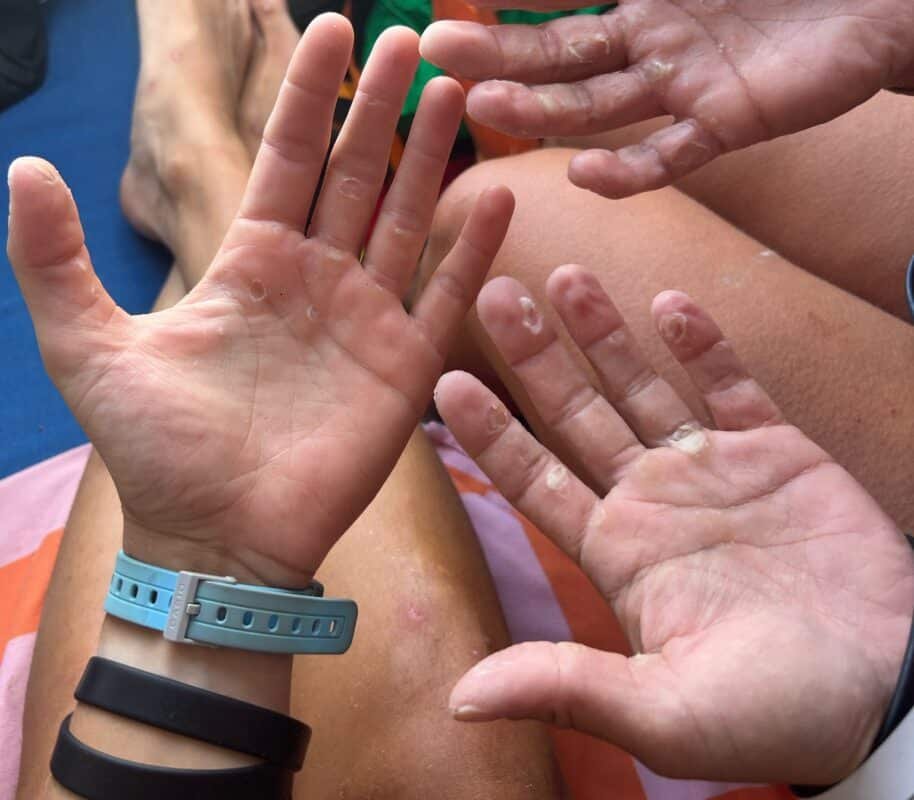
Throughout the journey, they rowed up to 15 hours a day, often following a relentless two hours on, two hours off routine, which they adapted as conditions changed. When they weren’t rowing, they were eating nearly 5,000 calories a day, repairing and maintaining equipment, cleaning the boat, and operating their water maker. All while navigating one of the most demanding ocean routes on Earth.
Along the way, they navigated shipping lanes, faced 30ft+ waves, battled blisters, salt sores, and sleep deprivation, and even encountered sharks and whales in the vast Pacific.
Borrow Optimism
Borrow optimism until You feel it
What it is:
Can’t generate hope on your own? Use someone else’s belief in you. Or even fictional characters. Expedition teams often assign a “morale officer” or rotate the role to keep spirits up.
Why it works:
Studies in sports and social psychology show that optimism is contagious. Surrounding yourself with people who believe in solutions literally changes your nervous system.
How to use:
Pick 1 person, mentor, or expedition leader whose mindset you trust. Ask yourself, “What would they say about this?” Or, adopt a character’s mindset for the week.
Example: Pretend you’re Shackleton making choices for the team.
Weird? Maybe. Effective? Absolutely.
Use the "Even If" rule.
What it is:
Reframe worst-case thoughts with "Even if…" instead of “What if…”
Why it works:
This tiny language shift activates prefrontal cortex control over fear loops. It also trains your brain to expect competence, not disaster.
How to use:
Flip it in real time:
❌ “What if no one shows up?”
✅ “Even if only two people come, I’ll still test the format.”
Reframe the Forecast
Athletes use “cognitive reframing” to turn pressure into opportunity. Instead of “this storm will break us,” they say “this storm will test our training.” Language shifts perspective and stress response.
→ Exercise: Take one negative thought today and rewrite it with a possibility-focused lens.
Optimism Reset in the Field
Expedition teams use music, humor, or small rituals to shift collective mood. Research shows laughter lowers cortisol and restores problem-solving ability.
→ Hack: Build an “optimism reset kit”; a playlist, a photo, or even a short video that never fails to lift you.
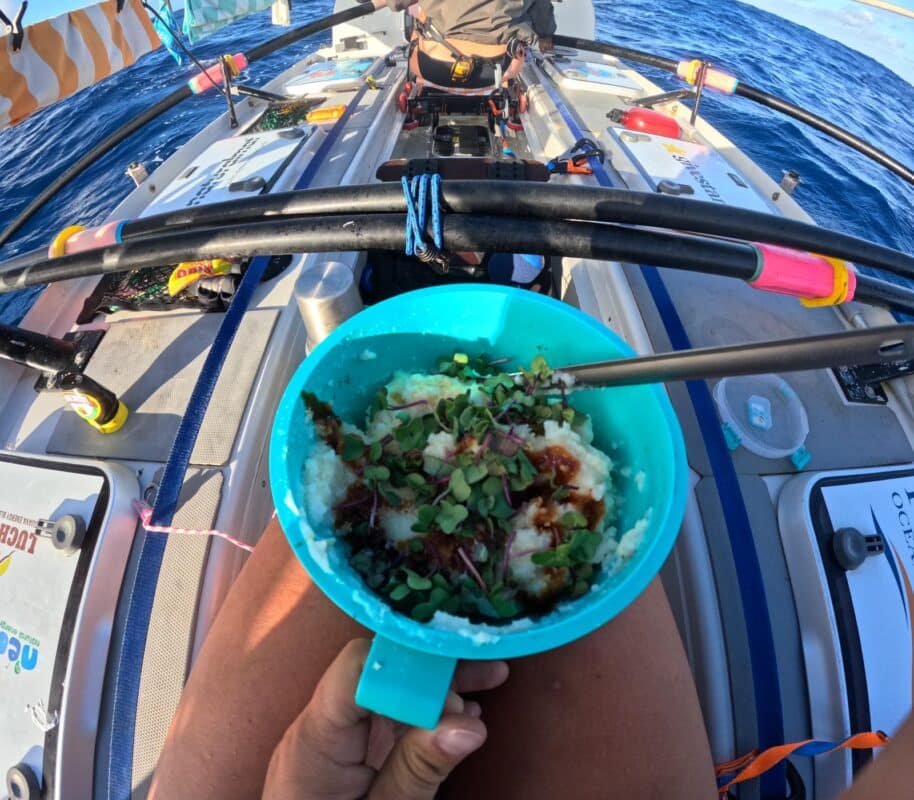
The 20-Second Shift
Research shows that short “micro-shifts” can flip your state; standing up, looking out to horizon, deep breathing. Expedition leaders use horizon gazing to reset mood and energy.
→ Exercise: Next time negativity creeps in, stop and take 20 seconds for a shift.
Optimism Scripts
Psychologists call it self-talk. Repeating simple positive scripts (“We’ve solved worse than this before”) builds belief and calms the stress response. Here is one from the Seas the Day team: ""The difference between an ordeal and an experience - is your attitude".
→ Hack: Write a personal script you can repeat in high-pressure situations.
Optimism + Visualization
Top athletes don’t just visualize success, they visualize setbacks and their successful recovery. That way, they enter the field expecting to adapt.
→ Exercise: Close your eyes, picture a problem happening, and then see yourself solving it with calm confidence.
Micro-Celebrations Build Momentum
Research on motivation shows that celebrating small wins keeps morale high over long journeys. It doesn’t need to be grand; a treat, a pause, a breath of fresh air can reset your energy.
→ Exercise: Define one quick ritual to mark progress each week. Keep it consistent.
Purpose Extends Endurance
Studies show that people with a strong sense of purpose tolerate discomfort longer. It literally changes how the brain processes effort.
Future You Bias
Research shows imagining your future self drives better choices today.
→ Try it: Picture life a year ahead, then name one step this week that gets you closer.
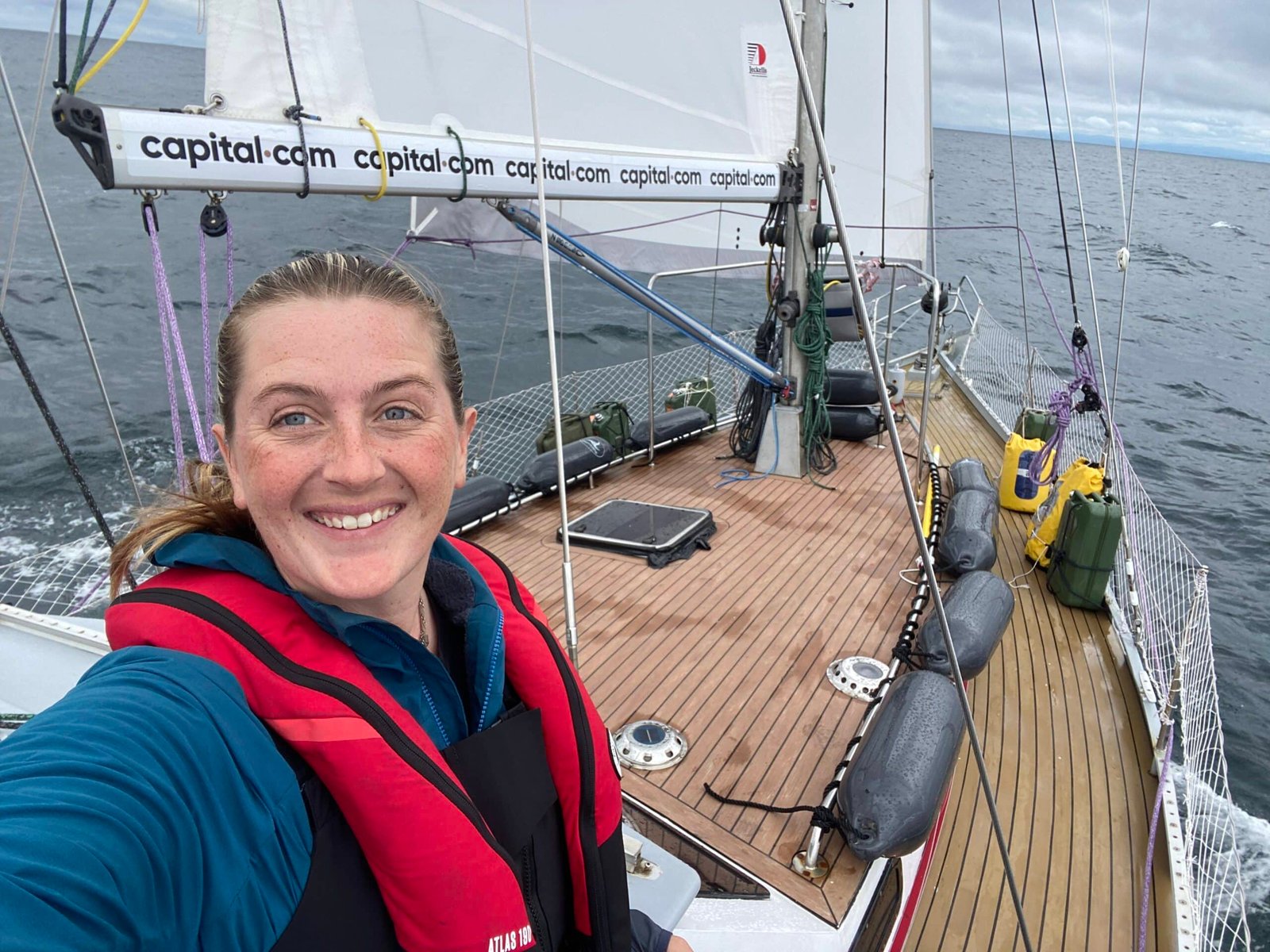
 Ella Hibbert: Solo sailing around the Arctic
On 7 September 2025, Ella Hibbert made history by becoming the first British woman to sail the Northwest Passage solo, and one of only 15 people in history to have ever completed the route alone.
Although she did not complete the full circumnavigation of the Arctic Circle, this milestone marks a remarkable achievement in her ongoing mission to raise awareness of climate change’s impact on the Arctic and to support Polar Bears International and Ocean Conservancy.
Ella plans to return in summer 2026 to continue her journey and attempt to complete the full Arctic Circle circumnavigation.
Her words before departure still resonate:
“If successful, it will be a bittersweet moment for me. On the one hand, I will have achieved a record, but on the other hand, it is a journey that should not be possible, and it will prove that the Arctic, which is currently warming 2 to 3 times faster than the rest of the world, no longer has the ice covering that it once did.”
Despite the immense physical, mental, and financial challenges, Ella’s perseverance and the incredible support she’s received from communities and partners around the world continue to fuel her mission.
Hope for the Best, Train for the Worst
Expedition leaders and Olympic coaches alike highlight “stress inoculation”: rehearsing worst-case scenarios to build confidence. By imagining setbacks in detail and preparing responses, you reduce panic and strengthen trust in your abilities.
→ Exercise: Write down three potential obstacles to your current goal. Next to each, outline both a prevention step and an emergency response.
Ella: The extent of my own training for this challenge has also been greater than I originally anticipated. Going so far as to learn how to place a cannula in my own vein and do my own stitches, should I be injured out of reach of help. Preparing for the unknown is one of the hardest tasks to imagine. I try and think of every single worst-case scenario and then plan not only how to avoid it from happening, but how I would react in every eventuality. I have back-ups for my back-ups, spares for my spares, and training for all potential worst cases, including medical training, fire fighting, sea survival, and fire arms training. Leaving no stone unturned in the preparation gives you the mental confidence that you are as ready as you can be for whatever gets thrown at you. Then, it's a case of having faith in that skill set you have if thr time ever comes that you may need it".
Recovery is Part of the Mission
Elite performers ritualize recovery. Changing environment, clothing, or routine helps the brain register safety and closure.
→ Tip: Build a recovery ritual (music, lighting, even a specific outfit) that signals to your body: “The hard part is done.”
Ella: "The comfort of my bed is one area I won't skimp on. Mattress toppers and super soft blankets. I even have a silk pillowcase! I spend such a short amount of time in it every day that I love for it to feel so welcoming. It encourages me to fall asleep faster and to sleep better than a beanbag on the floor. I associate my clothing and my environment with my feelings, so being able to give yourself the chance to take those wet, heavy layers off, and swap them for soft, cosy pyjamas and tuck up into a blanket, head up against a cool pillow, that really tells my mind and my body that it's OK now, the hard part's over, and it's okay to let go and rest. Those kind of naps are the best feeling!"
Anchor Yourself With Rituals
From marathon runners to deep-sea explorers, rituals provide stability in unstable conditions. Whether it’s a lucky charm, letters from home, or a “reset playlist,” rituals reinforce the why behind the effort.
→ Hack: Create your own “purpose booster”. Something tangible that reminds you daily of the bigger mission.
What it is:
A digital or physical folder where you keep proof of purpose: quotes, screenshots, messages from someone who got inspired by you, a photo of the place you’re trying to protect.
Why it works:
Memory is terrible under stress. But emotional memory can be reactivated visually and instantly. This is dopamine insurance when your brain forgets why you’re doing any of it.
How to use:
Open it when motivation crashes. Or make it part of your Friday check-in. It’s mission recall.
Example: A startup founder screenshotting every "you helped me" DM.
PURPOSE AS DRIVER
Studies show purpose activates reward pathways, lowers stress, and builds resilience.
Action: Write one sentence on why you’re doing what you’re doing. Clarity turns effort into progress.
Try this: Before diving into the tools below, write down in one sentence why you’re pursuing your current goal. Don’t aim for perfect wording - clarity beats poetry. That single sentence becomes the anchor point for every method you practice.


Inner Circle Audit
List the 5 people you rely on most for your big goal. Rate their impact (energy boost, expertise, accountability). Identify gaps and recruit to fill them. Just like a pro athlete builds a coaching team.
Social Surrogate
Hack: Visualize someone who believes in you when under pressure. The brain responds as if support is real, a method used by athletes, astronauts, and expedition crews.
Signal, Don’t Guess
In high-risk environments, errors come from assumptions. Elite teams (from pilots to ocean rowers) use explicit signals to avoid breakdowns.
Try it! Choose two signals: Need help / I’m solid. Use them before fatigue blurs judgment.
 The Maclean Brothers: Rowing across the Pacific
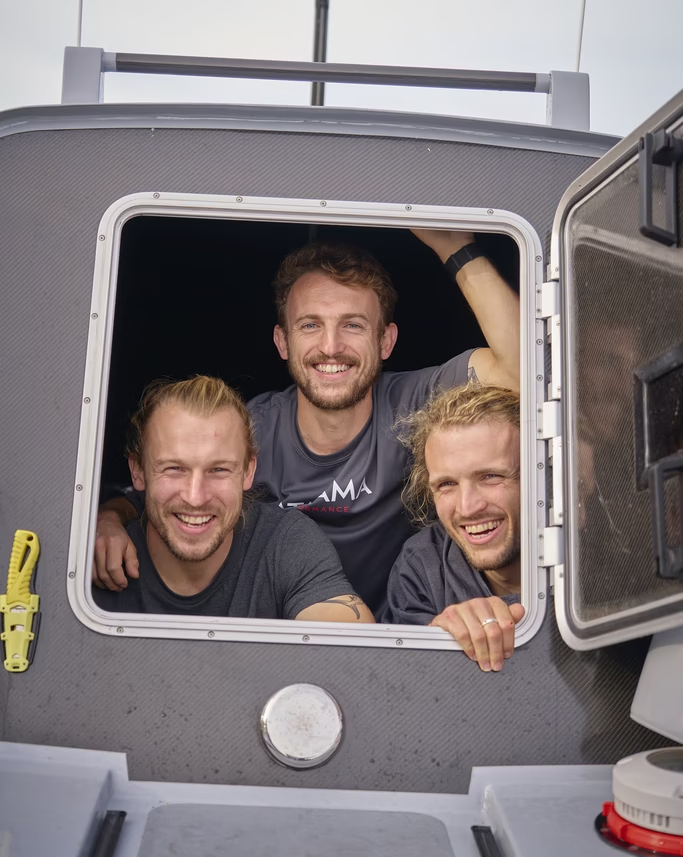
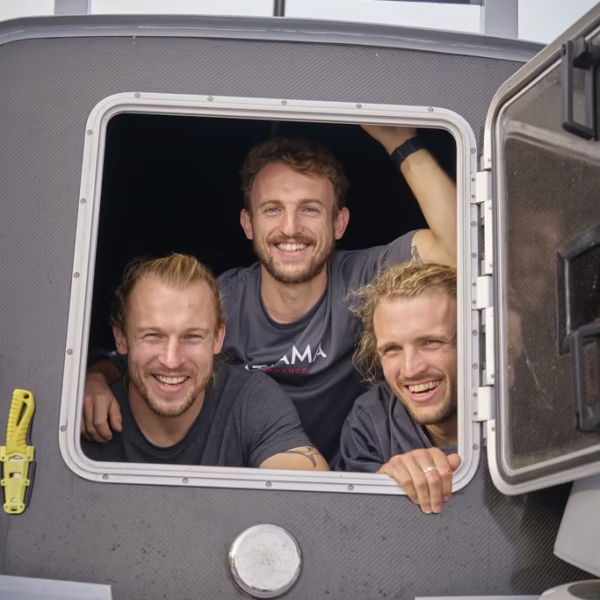
After 139 days, 7 hours, and 17 minutes at sea, the Maclean brothers; Lachlan, Ewan, and Jamie from Edinburgh - arrived in Australia at 1:52 a.m. UTC on Saturday, August 30, completing their 9,000-mile, non-stop, unsupported row across the Pacific Ocean.
The trio set multiple world records, becoming the fastest team ever to row the full Pacific Ocean, cementing their place among the elite few to have conquered such a feat.
This was not their first taste of extreme endurance. In 2020, the brothers, who had never rowed seriously before, crossed the Atlantic Ocean, breaking three world records and raising over £200,000 for charity. The experience inspired them to found The Maclean Foundation in 2023, dedicated to turning ambitious challenges into lasting global impact.
Their Pacific expedition aimed to raise £1,000,000 for clean water projects in Madagascar, providing more than 40,000 people with access to clean water for life.
Rotate Tough Tasks
Studies from polar teams show rotating the toughest tasks prevents resentment and burnout.
→ Hack: Don’t let one person always do the night shift or heavy repair. Spread it fairly, even when someone volunteers too often.
Oxytocin Hacks: Be Useful
Why: Helping others boosts your own mental state.
Science: Giving increases oxytocin ("bonding hormone") and serotonin.
How: Ask: "Who needs a check-in from me this week?"
Holding the rope for someone else strengthens your grip too.
Mirror Neurons in Action
Neuroscience shows that humans are wired with mirror neurons-cells that fire when we see someone else act, almost as if we were doing it ourselves. That’s why yawns spread, why panic escalates in crowds, and why calm leaders steady the room. In high-stress environments, emotional states are contagious.
→ Try it: In a tense moment, find the calmest person in the group. Match your breathing and posture to theirs. Within minutes, your own physiology shifts - and often, theirs stabilizes even more because you’re reinforcing their calm.